


Nowadays, businesses and individuals choose their best transportation service between air freight and sea freight when shipping products globally. Each has advantages and disadvantages. The choice is based on variables, including price, time, product kind, and location.
Safe Box Logistics focuses on secured and seamless freight solutions to your needs, whether by air or sea. This comprehensive guide explains the differences between air freight and sea freight so that you can make the right decision.
Air Freight
Air freight is the movement of goods by air. It is the fastest method and is employed preferably for time-sensitive, high-value, or lightweight cargo. Goods are packed in cargo planes or placed in the flight cargo holds.
Key Features:
- Fastest delivery
- Usually for goods with value or perishability
- Small to medium-sized shipment
- More expensive than sea freight
Sea Freight
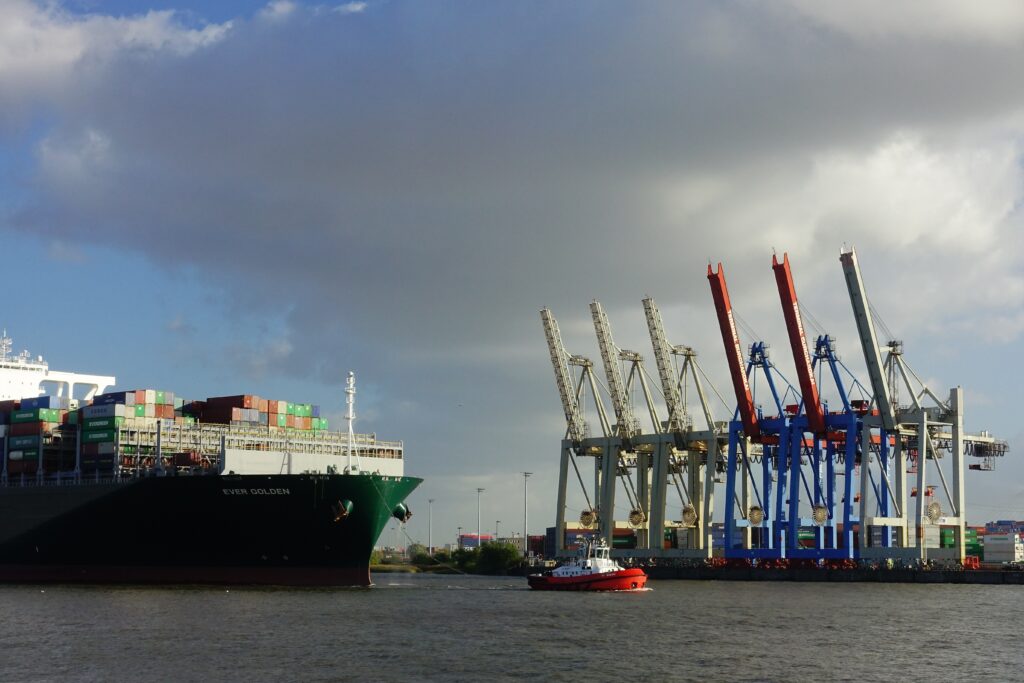
Sea freight, also known as ocean freight, also helps to transport goods in cargo ships over international seas. It is mainly used for the largest volume of shipments and is cost-effective for those that are not urgent for transportation, because it takes time to transport.
Key Features:
- Cost-effective for mass shipments
- Longer transit time is Good for heavy, non-perishable goods
- Usually for international trading
Air Freight versus Sea Freight: A Comparison
Let us now shed some light on these two transport modes from the perspective of some important differences between them:
1. Speed
- Air Freight: The fastest transportation with 1-7 days of delivery times, depending on the destination.
- Sea Freight: Very slow transportation; It may take 2-6 weeks or more time to deliver goods, depending on the route.
- Verdict: When you want your shipment to arrive faster, choose airfreight, which will win all rounds.
2. Cost
- Air Freight: Much more expensive due to fuel charges, airspace fees, and its quick delivery.
- Sea Freight: Cheaper for large shipments. Charges are applied concerning the size of containers or the weight of the shipment.
- Verdict: If you consider your shipping expenses seriously, then sea freight will be the better choice, especially for bulk goods.
3. Cargo Size and Weight
- Air Freight: Restrictions on weight and size. Oversized items are mostly restricted or incur exorbitant charges.
- Sea Freight: Very much capable of accommodating large and heavy shipments.
- Verdict: Sea freight will be much more practical and cost-effective for too large, bulky, or heavy.
4. Reliability
- Air Freight: Time is more predictable with fewer delays and guaranteed delivery times.
- Sea Freight: On sea freight, delay may occur due to weather, congestion in ports, or customs.
- Verdict: Air freight is super reliable for timely delivery.
5. Environmental Impact
- Air Freight: High carbon footprint due to fuel consumption.
- Sea Freight: Environmentally friendly, but slower.
- Verdict: Air freight is bad for the environment; sea freight is a greener option if sustainability matters.
6. Customs and Documentation
- Air Freight: Customarily faster clearance.
- Sea Freight: Involves more complicated documentation and inspections.
- Verdict: While air freight offers a smoother customs process in many cases.
Also Read>>The Essential Guide to Hassle-Free Customs Clearance in Dubai
7. Security
- Air freight: Yet with a much higher degree of security at airports, which reduces the chance of having anything damaged or stolen.
- Sea freight: Cargo is more vulnerable due to longer transit times and less supervision.
- Verdict: Air freight is more protective of cargo and is therefore appropriate for sensitive or very valuable goods.
When to Choose Air Freight?
Air freight is a good service when:
- Your shipments are on time to delivered
- High-value shipping, fragile, or perishable goods.
- You need reliable and predictable delivery schedules.
- The shipment must be small and light.
Examples of Air Freight Cargo:
Electronics, Pharmaceuticals, Perishable Food Items, Fashion Items with Fast Market Demand
When to Choose Sea Freight?
Choose sea freight when:
Large, bulky, or heavy goods are being transported. Time is not of the essence. You want the cheapest means of transport. The goods are either non-perishable or will not be harmed if the transit takes longer.
Examples Ideal for Sea Freight:
- Industrial Equipment
- Furniture Building Materials
- Bulk Raw Materials
Safe Box Will Help You in Making Your Decision. At Safe Box, we know choosing the correct shipping method between air freight and sea freight can become quite daunting, especially when there are multiple factors to consider regarding time, cost, and type of cargo.
That is why we provide expert logistics consultation and customized shipping solutions to meet your needs.
Our Freight Forwarding Services Include:
- Air Freight: An air cargo solution that is fast, secure, reliable, and globally able to reach any destination.
- Sea Freight: Low ocean freight is suitable for every type and size of cargo.
- Door-to-Door Services: Complete logistics from point of origin to destination.
- Customs Clearance: Assistance and handling of all paperwork and documents involved in Customs clearance.
- Real-Time Tracking: Be informed through live tracking and proactive communication.
Whether you are a business aiming to efficiently run an international supply chain or an individual shipping personal belongings overseas, Safe Box will ensure that your cargo will be safe and correct, within the stipulated time and budget.
Conclusion
Air freight and sea freight are both part of the logistics. The choice depends on what is valued more: speed or price, size or urgency, security or sustainability. The differences and shipping goals can help in the decision-making process.
Partner with Safe Box, and we take the guesswork out of global shipping. All our knowledge of the craft and our commitment to excellent customer service ensure the safety of your goods, whether they fly or sail.