


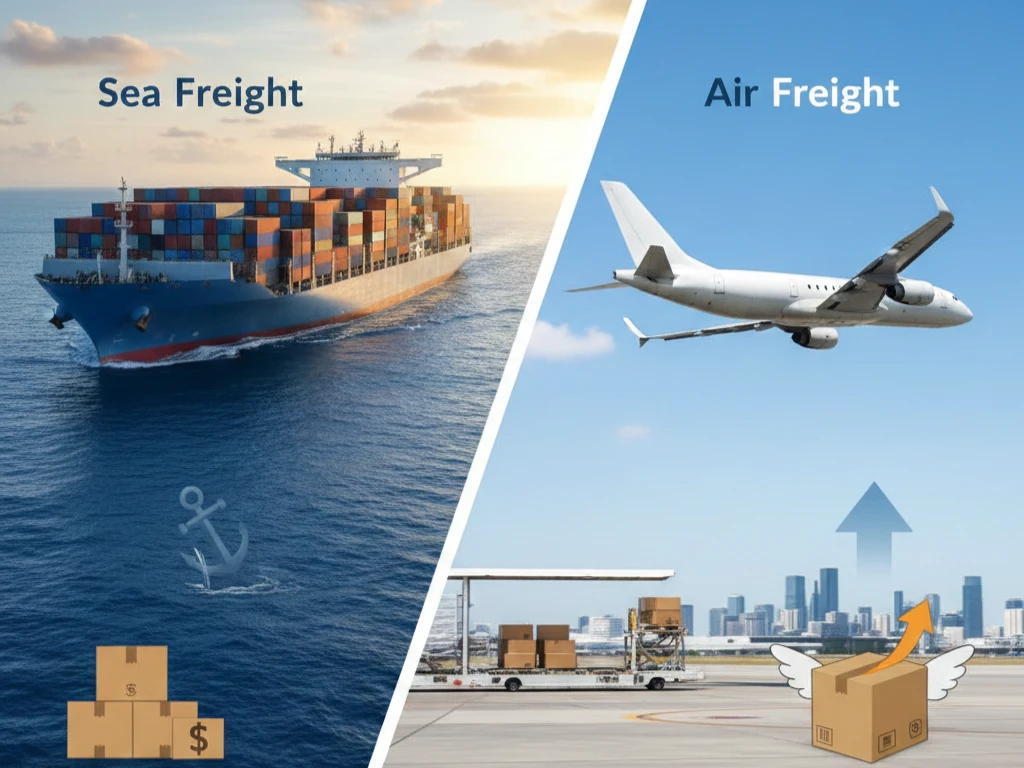
The selection of the shipping method is one of the biggest choices that a company can make. The transportation of raw materials, commercial goods, or even very delicate products means that the choice of shipping will directly affect your expenses, delivery time, and the capability of the entire supply chain to function smoothly.
For most companies, the choice is mainly between two international logistics solutions: sea freight and air freight.
At Safebox, we provide freight solutions that are not only reliable and secure but also cost-effective and global shipping-friendly and thus, we help businesses in different industries to gain a hassle-free shipping experience. The sea freight and the air freight pros and cons, usage scenarios, and compatibility with business goals are all discussed in this guide that we have prepared for you.
Sea Freight:
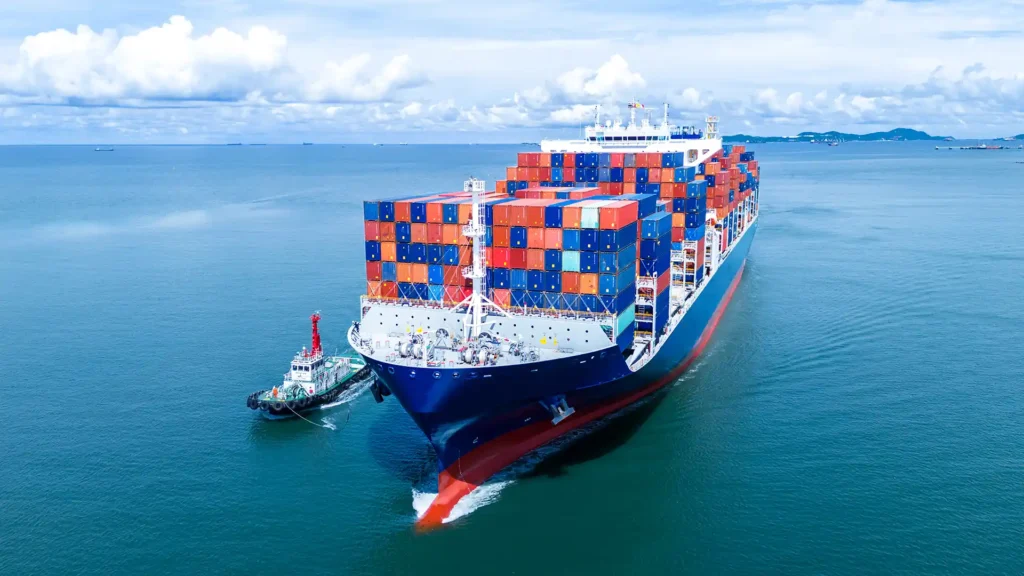
Sea freight, often referred to as ocean freight, is the means of shipping goods through cargo vessels over the major international waterways. It is the preferred and most popular way of trading internationally as it is the cheapest method, and it is also able to ship large, heavy, or awkwardly shaped items.
Advantages of Sea Freight:
Bulk Shipments Reduce Cost
The sea freight option is much cheaper than air freight if we compare shipments of high volumes or heavy goods. The companies that regularly send large amounts can significantly lower their per-unit shipping costs.
The best Choice for Large and Heavy Cargo
Sea containers easily take in even the largest and heaviest of loads, such as huge machines, cars, construction materials, and commercial-sized loads. Ships were constructed to handle heavy and bulky items, while air transport is not able to carry items with such characteristics efficiently.
Eco-Friendly
Sea freight has a lower environmental impact since it releases fewer emissions than air freight. Companies that aim to operate in a sustainable manner can upgrade their logistics by selecting eco-friendly solutions.
Good for Passive Deliveries
If your shipment is not time-critical, sea freight is the best solution as it combines reliability and price very well.
Disadvantages of Sea Freight:
Longer Shipping Time
Ocean voyages could last anywhere between 20 and 60 days, based on the destination. Thus, sea freight is not a good option for urgent goods.
Exposure to Nature’s Forces
Delays caused by storms and rough seas are still possible, but the risk has been greatly minimised through the use of modern vessels and systems.
Needs Planning in Advance
Longer lead times and container schedules require businesses to plan shipments far in advance.
Air Freight:
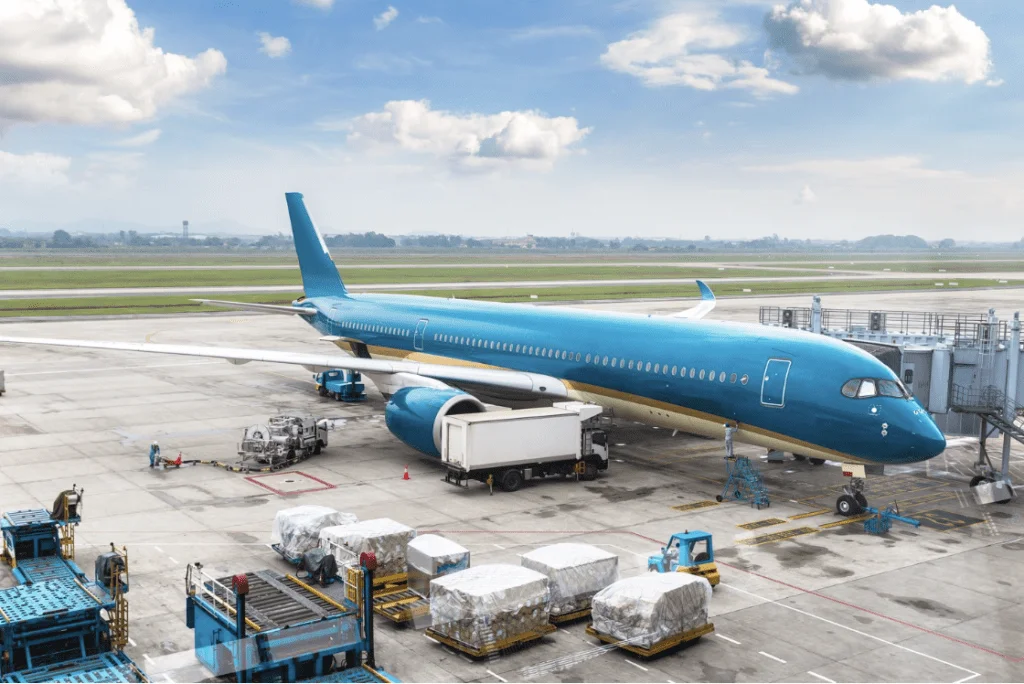
Air freight means the movement of goods through airlines, providing speed, safety, and international access. Air freight is still the gold standard for time-critical shipments.
Benefits of Air Freight:
Fastest Transportation Method
Air freight is the quickest way to move products between countries. Shipments that would take several weeks by sea are often delivered within 24 to 72 hours.
Increased Security and Reduced Risk
Airports have very sophisticated security systems, which minimise risks of theft, damage, or loss of the cargo. Air transit is safer for fragile items and valuable goods.
Consistent Timing
In contrast to sea freight, air transport is based on set flight schedules, which means that there will be no delays in departures and that delivery times can be easily predicted.
Perfect for High-Value or Time-Sensitive
Goods Electronics, medical supplies, perishables, and urgent business consignments are heavily dependent on air freight.
Disadvantages of Air Freight
Expensive for Heavy or Large Shipments
The cost of air freight is based on the weight and volume of the shipment. Large, dense, or bulky items can be extremely costly to move by air; thus, air shipping is not a cost-effective option for such shipments.
Limited Cargo Capacity
Aeroplanes have to follow size and weight limitations that can rule out the transport of large pallets, machinery, and industrial equipment.
Higher Carbon Footprint
Among all transport methods, air freight remains the most polluting one.
Sea Freight vs. Air Freight: Main Differences
Cost Comparison:
Sea Freight: By far the most economical option for big shipments.
Air Freight: Very expensive, particularly for heavy or large-sized cargo.
Best for: Companies that are shipping materials in large quantities, low-cost products, or raw materials.
Speed Comparison:
Air Freight: The quickest way with very dependable and exact time schedules.
Sea Freight: A slower but very reliable method if the shipment is planned well ahead.
Best for: Companies that are dealing with deadline issues or with the products that are perishable.
Cargo Type:
Sea Freight: The right choice for heavy, large, or non-urgent goods.
Air Freight: Small, fragile, or expensive items go through air freight.
Best for: Electronic gadgets, fashion products, medical supplies, and e-commerce.
Environmental Impact
Sea Freight: Less harmful to the environment.
Air Freight: More pollution.
Best for: Companies that are giving high priority to sustainability.
Route Accessibility
Air Freight: The whole world is connected through major hubs.
Sea Freight: There are a lot of ports around the world, and the networks are very extensive.
Best for: Intercontinental shipments over long trade routes.
Frequently Asked Questions:
1. Which Shipping Method Should Your Business Choose?
The right cargo choice relies on your priorities. To facilitate the decision, think about the following questions:
2. How urgent is the shipment?
In case of urgency, air freight is definitely the best option. On the other hand, if it is not so critical, sea freight is still the cheapest way to ship your goods.
3. What kind of items are you going to ship?
In case of heavy machines or large amounts → Pick sea freight.
For fragile, high-value, or lightweight products → Opt for air freight.
4. What is your budget?
In case the expense to be controlled is a priority, the shipping by sea gives the safety of really cheap rates.
5. How important is sustainability to your business?
The carbon footprint of shipping by sea is the least among the other modes of transport, making it the most environmentally friendly option.
Conclusion:
The sea freight vs air freight is not as complex as we think. Sea and air transport services both have unique choices and provide advantages, and the best choice completely depends on your shipment requirements, budget and timeline.
Sea freight is the best option for bulk and cost-effective transportation, but it takes time to deliver goods. Air freight provides speed and secure delivery for emergency and urgent or high-value shipments. Therefore, if Safebox Logistics is your partner, you won’t have to deal with the logistics industry on your own. Our team of professionals will help you identify the most cost-effective shipping solution, strengthen your supply chain, and successfully transfer your goods all over the world.