


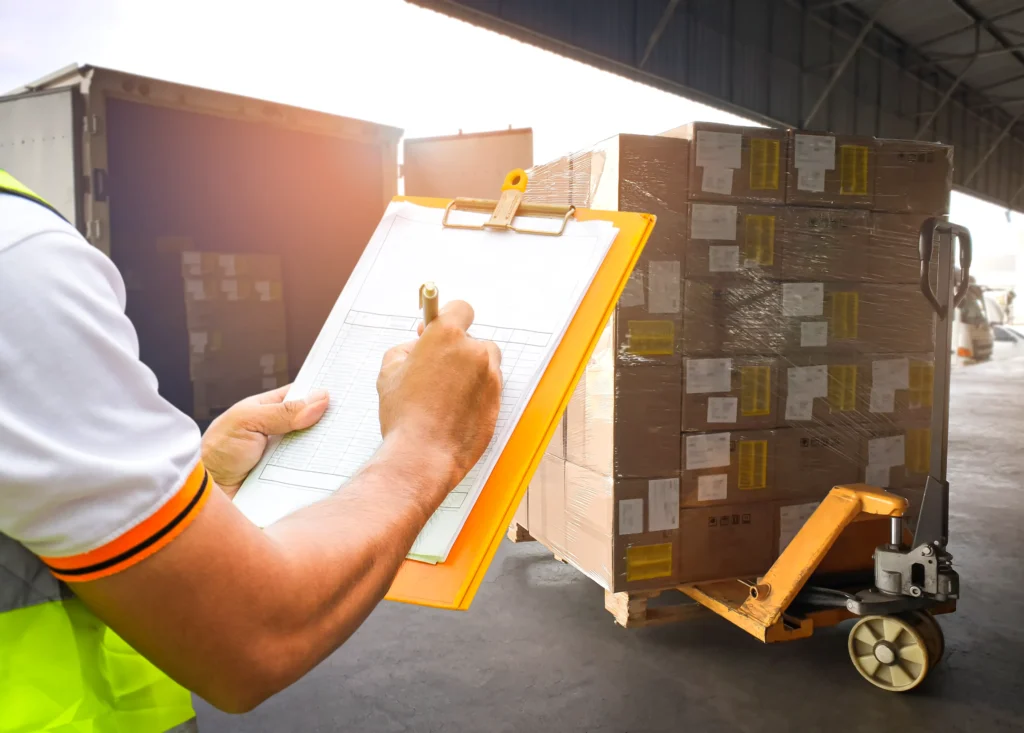
Here’s something that happens more often than it should.
A business owner in Dubai packs up a container of goods worth $50,000. They’ve got a buyer waiting in Germany. Everything’s ready to ship. Then customs asks for the certificate of origin, and they realize they don’t have one. Didn’t know they needed one. Thought the commercial invoice was enough.
Now the shipment’s stuck. The buyer’s frustrated. Storage fees are piling up. And what should have been a straightforward export has turned into an expensive nightmare.
This isn’t rare. It happens all the time.
Most people think export documentation is just paperwork—a formality you fill out and forget. But these documents are what stand between your goods moving smoothly across borders or sitting in a warehouse somewhere costing you money every single day.
The Core Documents Every Export Needs
Let’s talk about what you actually need, not just what the official lists say.
Commercial Invoice
This is your shipment’s passport. It tells customs what you’re sending, what it’s worth, who it’s going to, and why. Without a proper commercial invoice, nothing moves.
But here’s where people go wrong. They treat it like a rough estimate. They write “electronics” instead of “LED television screens, 42-inch, Model XYZ-2024.” They guess at the value. They leave out buyer details.
Customs officers aren’t guessing. They’re checking. And when your invoice is vague or incorrect, they assume something’s wrong. That means inspections, delays, and questions you’ll need to answer before anything moves forward.
Your commercial invoice needs exact descriptions, accurate values, complete buyer and seller information, and proper product codes. No shortcuts.
Packing List
This document tells customs exactly what’s in each box. Weight. Dimensions. Quantity. It needs to match your commercial invoice perfectly.
The mistake people make is writing “various items” or “assorted goods.” That guarantees your shipment gets opened and physically inspected. Every. Single. Box.
A detailed packing list speeds things up. It shows you’ve got nothing to hide and makes the customs officer’s job easier. When their job is easier, your shipment moves faster.
Certificate of Origin
This proves where your goods were made or manufactured. Some countries need this to apply the correct import duties. Some trade agreements between countries depend on it.
What catches people off guard is that different countries have different requirements. Shipping to Saudi Arabia? You might need your certificate stamped by the UAE Chamber of Commerce. Shipping to the EU? You might need a specific EUR.1 form.
And you can’t just make one up at the last minute. These certificates require advance processing, sometimes several days. Finding out you need one when your container’s already at the port is too late.
Bill of Lading (or Airway Bill)
This is your contract with the shipping company. It’s proof that they’ve taken your goods and agreed to deliver them. For sea freight, it’s called a Bill of Lading. For air freight, it’s an Airway Bill.
This document is also your buyer’s proof of ownership. Without it, they can’t claim the goods at the destination. It’s not just important—it’s essential.
If you’re choosing between sea freight and air freight, understanding these shipping documents becomes even more critical as requirements can vary.
The Documents You Might Need (Depending on What You’re Shipping)
This is where it gets complicated, because not every shipment is the same.
Export License or Permits
Some products can’t just be shipped freely. Electronics with certain technology, chemicals, medical equipment, food products—these often need special permits from UAE authorities before they can leave the country.
People assume if they can sell it in the UAE, they can export it. That’s not always true. Exporting controlled goods without the right license doesn’t just delay your shipment. It can result in fines, seizure of goods, or worse.
Health or Phytosanitary Certificates
Shipping food? Plants? Agricultural products? Animal-derived goods? You’ll need certificates proving they’re safe, disease-free, and meet the destination country’s health standards.
These aren’t quick to get. They require inspections by UAE authorities. You can’t rush them at the last minute. And without them, your goods won’t clear customs at the other end—even if everything else is perfect.
Insurance Certificate
Technically optional, but here’s the reality: accidents happen. Containers fall off ships. Cargo gets damaged. Shipments get lost.
If you’re shipping valuable goods and something goes wrong, insurance is the difference between recovering your losses and losing everything. The paperwork for insurance claims starts with having the right certificate from the beginning.
What We See Go Wrong (And How It Costs People)
After three decades in this industry, the same mistakes keep appearing.
Mismatch Between Documents
Your commercial invoice says 100 units. Your packing list says 95. Customs sees that and stops everything to figure out which number is correct. Maybe it’s just a typo, but they don’t know that. They have to check.
Every document you submit needs to match perfectly. Same descriptions, same quantities, same values. One inconsistency can trigger a full inspection.
Missing Signatures or Stamps
Some documents need to be signed by the exporter. Some need official stamps from chambers of commerce or government bodies. Forget one stamp, and your paperwork gets rejected.
This seems minor until your shipment is sitting at the port and you’re scrambling to get a document re-stamped and couriered back while storage fees add up.
Wrong HS Codes
Every product has an international classification code called an HS code. It determines what duties apply, whether the product is restricted, and how it’s processed through customs.
Using the wrong HS code—or guessing at one—can mean your goods get charged incorrect duties, get held for verification, or even get rejected entirely.
Undervaluing Goods
Some people think if they declare a lower value on their commercial invoice, they’ll pay less in duties. This is a terrible idea.
Customs officers aren’t naive. They know what things cost. If your declared value seems suspiciously low, they’ll investigate. That means delays, penalties, and in serious cases, seizure of your goods.
Declare the real value. Always.
Why Professional Handling Makes a Difference

You can try to handle all of this yourself. Some people do.
But here’s what that looks like in reality: you’re researching requirements for a country you’ve never shipped to, trying to figure out which certificates you need, filling out forms you’ve never seen before, and hoping you got it all right.
Then something goes wrong. A document is rejected. A permit is missing. Customs has questions you don’t know how to answer.
Now you’re dealing with time zones, language barriers, unfamiliar regulations, and mounting costs—all while trying to run your actual business.
A freight forwarder who knows what they’re doing has done this thousands of times. They know which documents are needed before you even ask. They know which authorities to contact for permits. They know how to fill out forms so they don’t get rejected. They know what causes delays and how to avoid them.
That knowledge is worth something. Not because it’s complicated—but because one mistake can cost you far more than professional help ever would.
Whether you’re shipping personal belongings through our relocation services or managing commercial cargo through our warehousing solutions, the documentation requirements remain critical.
Getting It Right From the Start
If you’re planning to export from the UAE, start with your documents early. Not the day before shipping. Not the week of. Early.
Find out exactly what your destination country requires. Get your certificates processed in advance. Make sure every document matches perfectly. Double-check product codes. Verify values. Have everything signed and stamped where needed.
And if you’re not completely sure about any part of this process, ask someone who is. Not because you can’t figure it out, but because the cost of getting it wrong is too high.
Your shipment is important. Your buyer is waiting. Your business depends on things moving smoothly.
The documents are how you make that happen.
Frequently Asked Questions
1. How long does it take to get a Certificate of Origin in the UAE?
Usually 2-3 business days if you submit everything correctly to the Chamber of Commerce. But if there’s missing information or errors, it can take longer. Don’t leave this until the last minute.
2. Can I use the same documents for every country I export to?
No. Different countries have different requirements. What works for shipping to Saudi Arabia won’t necessarily work for shipping to the UK or USA. Always check the specific requirements for your destination country.
3. What happens if my documents have a small mistake?
Even small mistakes can cause big delays. A typo in a product description, a missing signature, or a wrong date can get your documents rejected. You’ll need to correct and resubmit, which means your shipment sits and waits.
4. Do I need original documents or are copies acceptable?
Most customs authorities require original documents, especially for the Bill of Lading and Certificate of Origin. Photocopies or scanned versions usually aren’t accepted for customs clearance.
5. How much does customs clearance documentation cost?
It varies depending on what you’re shipping and where. Certificate of Origin fees, Chamber stamps, and specialized permits all have different costs. Your freight forwarder can give you exact figures based on your specific shipment.
6. What’s the most common reason shipments get held at UAE customs?
Incomplete or mismatched documentation. When your commercial invoice doesn’t match your packing list, or when required certificates are missing, customs stops your shipment until everything is sorted out.
Summary:
At Safebox Logistics, we’ve guided thousands of shipments through this exact process. Not because we want to complicate things, but because we’ve seen what happens when documentation goes wrong—and we’d rather help you avoid that entirely.
Need help with your export documentation? Contact us and let’s make sure your shipment moves smoothly from the start.