


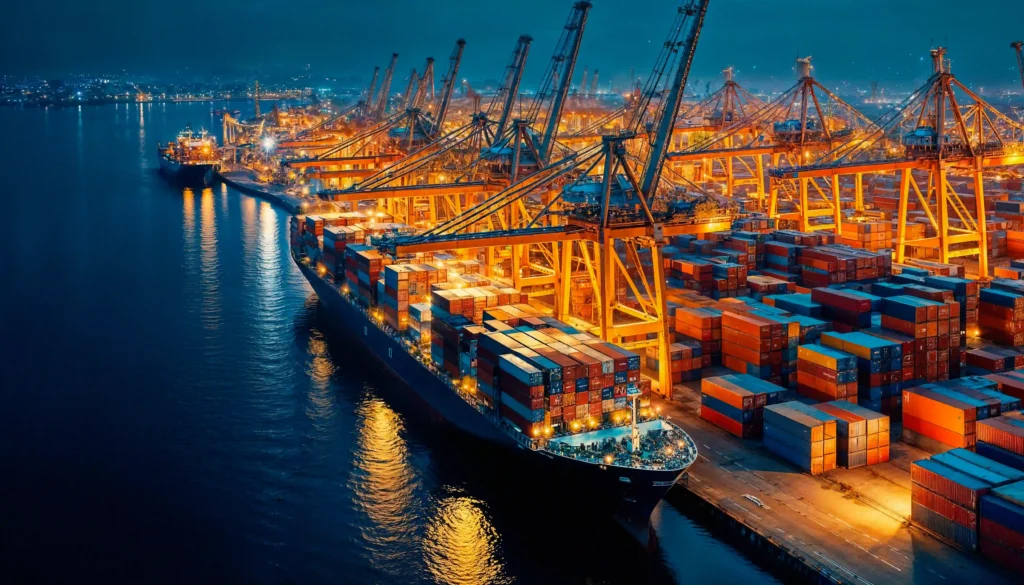
Sea freight is one of the most common ways to transport goods around the world. Many businesses use it because it is cost-effective and suitable for large shipments. If you want to ship goods internationally, you need to learn about sea freight operations, and this will help you save money while preventing shipment delays.
In this guide, Safebox Logistics explains what sea freight is, how much it costs to ship goods, how long it takes and what steps must be followed to complete the process.
What Is Sea Freight?
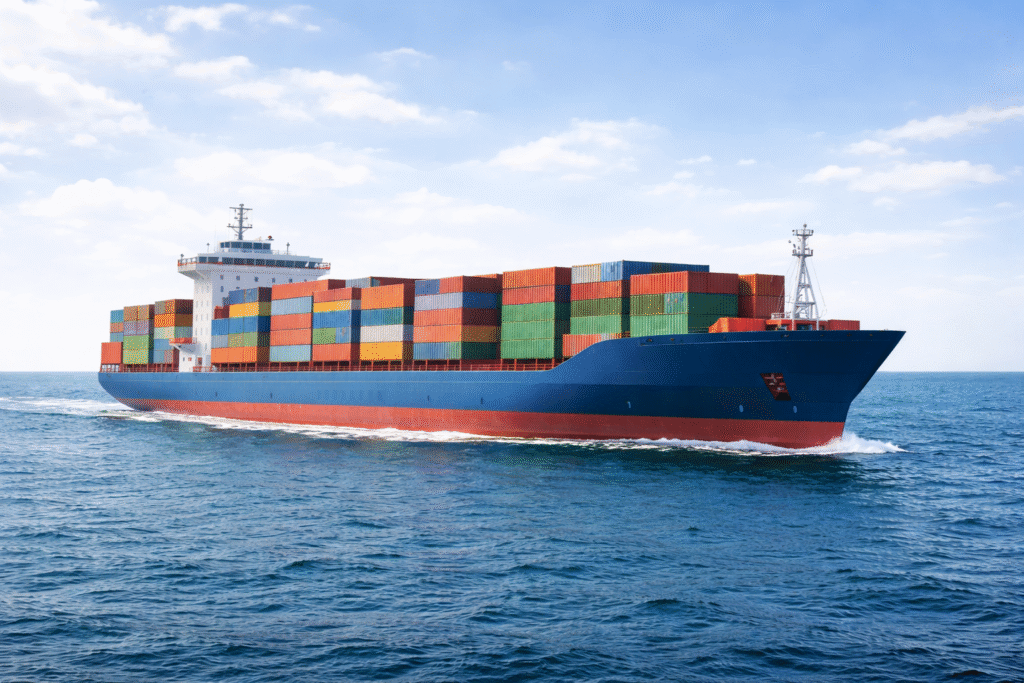
Sea freight means transporting goods by cargo ships across oceans. The system operates for international shipments that travel between different nations.
This method is best for:
- Large shipments
- Heavy cargo
- Non-urgent deliveries
- Business imports and exports
Companies choose sea freight when they want to move goods in bulk at a lower cost.
1. Types of Sea Freight Services
There are two main types of sea freight services. Your shipment size will determine which option you should select.
Full Container Load (FCL)
FCL means you use one full container for your goods. The container will carry only your shipments without sharing space with other products.
FCL is suitable when:
- You have a large shipment
- You need more safety and privacy
- You want faster handling
Less than Container Load (LCL)
LCL means your goods share a container with other shipments.
LCL is suitable when:
- Your shipment is small
- You want to reduce costs
- You do not need a full container
Both options are useful. Your business requirements and your financial capacity will determine which option you should select.
2. Type of Container
Standard containers cost less. Special containers (like refrigerated ones) cost more.
3. Shipping Distance
Longer distances increase the cost.
4. Port Charges
Fees at loading and unloading ports can affect the total cost.
5. Customs Duties and Taxes
Each country has its own import/export charges.
6. Additional Services
Packing, insurance, and delivery services may add to the cost.
Even with these costs, sea freight remains the most budget-friendly option for large shipments.
How long does sea freight take?
Sea freight takes more time compared to air shipping. However, it is reliable if planned properly.
Average Transit Time
- Short routes: 1 to 2 weeks
- Medium routes: 2 to 4 weeks
- Long routes: 4 to 8 weeks
What Can Affect Delivery Time?
- Weather conditions
- Port congestion
- Customs clearance delays
- Distance between countries
Because of these factors, businesses should always plan sea shipments.
Sea Freight Cost in 2026
Air freight costs more than sea freight most of the time, yet multiple elements determine the overall expense.
Main Factors That Affect Cost
Shipment Size and Weight
Larger and heavier shipments cost more. Sea freight remains cost-effective for transporting bulk cargo despite this general rule.
Step-by-Step Sea Freight Process
Understanding the process can make sea freight less confusing. Here is a simple step-by-step explanation.
1. Booking the Shipment
The process starts when you book your shipment with a logistics company like Safebox Logistics. You provide details such as cargo type, size, and destination.
2. Packing and Pickup
Goods are packed safely to prevent damage during transport. Proper packing service is very important for sea shipping.
After packing, the shipment is picked up from your location.
3. Transport to Port
The goods are transported to the nearest port. This is usually done by truck.
4. Customs Clearance (Export)
Before leaving the country, the shipment must go through export customs. All documents are checked at this stage.
5. Loading onto the Ship
Once cleared, the goods are loaded into containers and placed on the cargo ship.
6. Ocean Transport
The ship travels to the destination country. This is the longest part of the journey.
7. Customs Clearance (Import)
After arrival, the shipment goes through import customs in the destination country.
8. Final Delivery
Once cleared, the goods are delivered to the final destination, such as a warehouse or customer location.
Advantages of Sea Freight
Sea freight is popular because it offers many benefits for businesses.
- Lower cost for large shipments
- Suitable for heavy and bulky goods
- Can carry large volumes
- Eco-friendly compared to air freight
- Ideal for long-distance shipping
These advantages make sea freight a preferred choice for global trade.
Limitations of Sea Freight
Even though sea freight is useful, it also has some drawbacks.
- Slower delivery time
- Possible delays at ports
- Weather-related disruptions
- Requires proper planning
Businesses should consider these points before choosing sea freight.
When Should You Choose Sea Freight?
Sea freight is the best option in the following situations:
- When shipping large quantities
- When goods are not urgent
- When you want to reduce shipping costs
- When transporting heavy equipment or materials
- When companies need to transport goods by sea, they should follow these guidelines for their shipping operations.
The following simple tips can help businesses to avoid problems in their operations.
- Early shipment planning
- Proper container selection
- Correct packing methods
- Accurate document preparation
- Selection of a reliable logistics partner
With these steps, organisations can achieve faster processing times, which will ease their operational procedures.
How Safebox Logistics Can Help
The process of sea freight becomes difficult for most people who need assistance to make it manageable.
Our team at Safebox Logistics provides businesses with the following services:
- FCL versus LCL selection
- Cost-efficient shipping planning
- Customs documentation management
- Port and logistics operations control
- Secure and punctual product delivery
Our team ensures your shipment progresses through every step until it reaches its destination.
Conclusion
Sea freight is one of the most dependable methods for international shipping, which also delivers affordable rates for businesses. It serves as the perfect solution for companies that need to ship large or heavy products without incurring expensive shipping fees.
The process becomes easier through proper planning because it requires additional time to implement. Businesses develop improved shipping practices when they understand costs, delivery durations, and shipping procedures.
The expert assistance provided by Safebox Logistics makes sea freight operations simple and efficient while delivering dependable service to your business throughout 2026 and the upcoming years.