


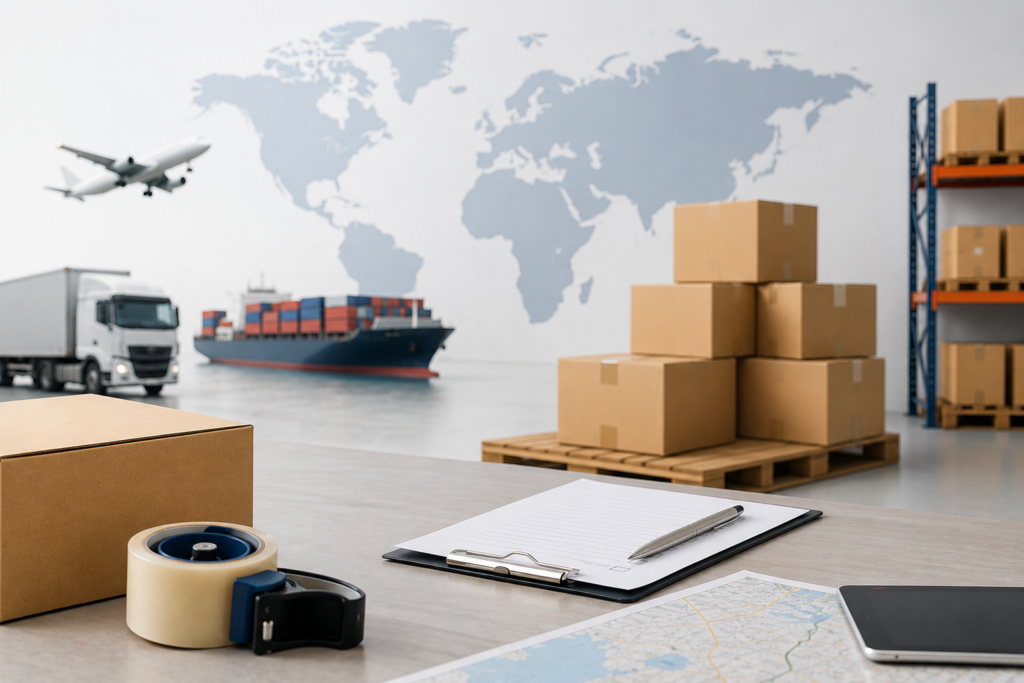
What do people think when they hear the word “shipping”? They automatically imagine boxes stacked in a room, rolls of tape, and wrapped furniture.
But that’s only part of the story.
In most cases, packing isn’t where the job actually begins. By the time the first box is packed, a lot of work has already been done behind the scenes.
At Safebox Logistics, we’ve noticed that the smoothest shipments usually have one thing in common: they are planned properly from the start. Whether it’s arranging freight forwarding for international cargo or preparing for custom clearance, careful planning makes every shipment more efficient.
Here are some of the things experienced logistics teams usually take care of before packing day.
Understanding What Needs to Be Moved
Before bringing in boxes or packing materials, the first thing most logistics teams do is understand the shipment itself.
A family moving abroad has different needs from a company sending commercial cargo. Even two families moving to the same country may have completely different requirements.
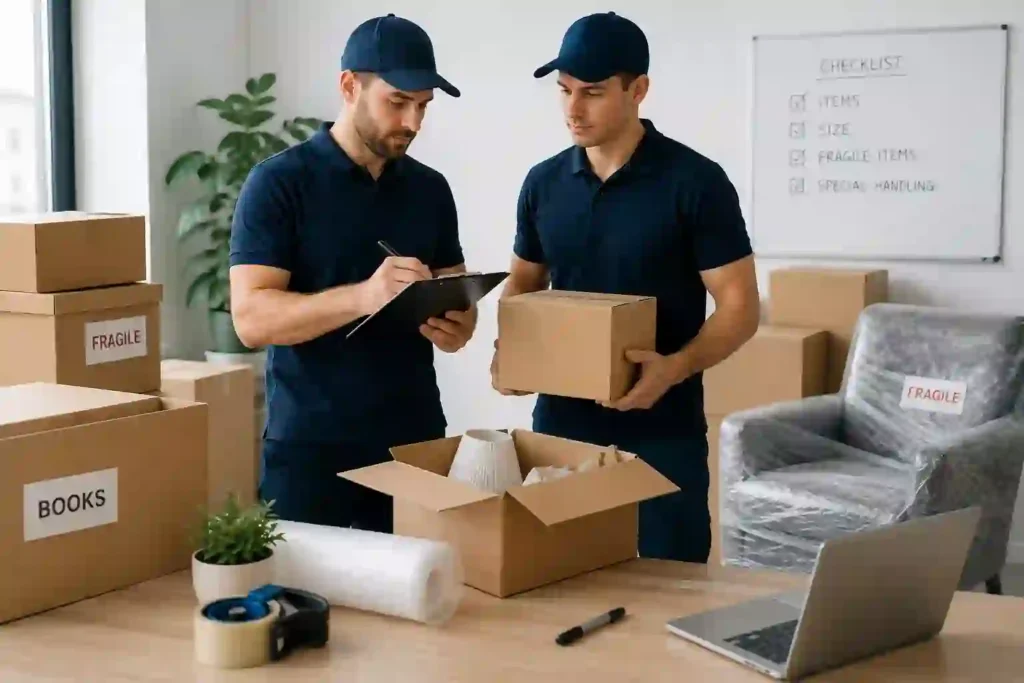
At this stage, teams normally check:
- What items are being shipped
- The size of the shipment
- Whether there are fragile items
- Any special handling requirements
- This helps avoid confusion later.
Looking at Items Before Packing
Professional movers don’t always start packing immediately.
First, they usually check the belongings and take time to understand how to pack them.
For example, a large dining table may need to be dismantled. A television may require extra protection. Fragile decorative pieces may need separate boxes.
Deciding How the Shipment Will Travel
Before the packing stuff starts, the transport method is usually sorted out.
A few shipments go by air, while others travel by sea or road. The decision often changes,
delivery deadlines, budget, shipment size, and destination.
Also, the transport method itself really changes how items are packed in the end.
Checking Rules for the Destination Country
Every country has its own regulations.
Some items may require additional documents. Certain goods may have restrictions. In some cases, packaging requirements are also different.
Experienced teams usually review these details before packing begins.
It is much easier to deal with these things beforehand than after the shipment has already left.
Preparing an Inventory List
Many customers don’t think about inventories until they need one.
But keeping a record of belongings makes life much easier later.
An inventory helps with:
- Customs procedures
- Tracking items
- Unpacking after delivery
- Confirming everything has arrived
For families moving overseas, this can be extremely useful.
Getting the Packing Materials Ready
Not everything can be packed the same way.
Kitchen items, electronics, furniture, and glassware all need different levels of protection.
Depending on the shipment, the team may prepare:
- Cartons
- Bubble wrap
- Furniture covers
- Foam protection
- Wooden crates for delicate items
Having the right materials ready beforehand saves time on packing day.
Organising Dates and Timelines
Packing day is just one part of the process. There is a lot to check before shipping.
Before that, teams usually coordinate:
- Pickup schedules
- Shipping dates
- Vehicle arrangements
- Delivery timelines
Without proper coordination, delays can happen even before the shipment begins.
Speaking With the Customer
Good communication matters.
Before packing starts, customers usually want answers to simple questions:
- “When will the shipment leave?”
- “What documents do I need?”
- “How long will the process take?”
Taking time to explain these things helps customers feel more comfortable.
Why These Steps Matter
Most people only notice the packing because that’s the visible part of the job.
But many problems actually start before packing.
Missing documents, poor planning, wrong packing materials, and last-minute decisions can all create unnecessary difficulties later.
This is why experienced logistics teams spend time preparing first.
How Safebox Logistics Handles the Process
At Safebox Logistics, we believe rushing straight into packing will always lead to mistakes. Take time to check the belongings. We believe a slow and steady process makes a smooth shipping process
Those extra steps at the beginning often make the rest of the process much easier.
Final Thoughts
Packing may look like the biggest part of moving, but a lot happens before that stage.
The planning and preparation, even those little checks done beforehand, often decide how smoothly the shipment goes, really.
At Safebox Logistics, we know that solid preparation saves time, it helps avoid trouble, and it gives customers calm and peace.
And sometimes the job that people don’t see is also the job that matters most, because it quietly keeps everything in order.