


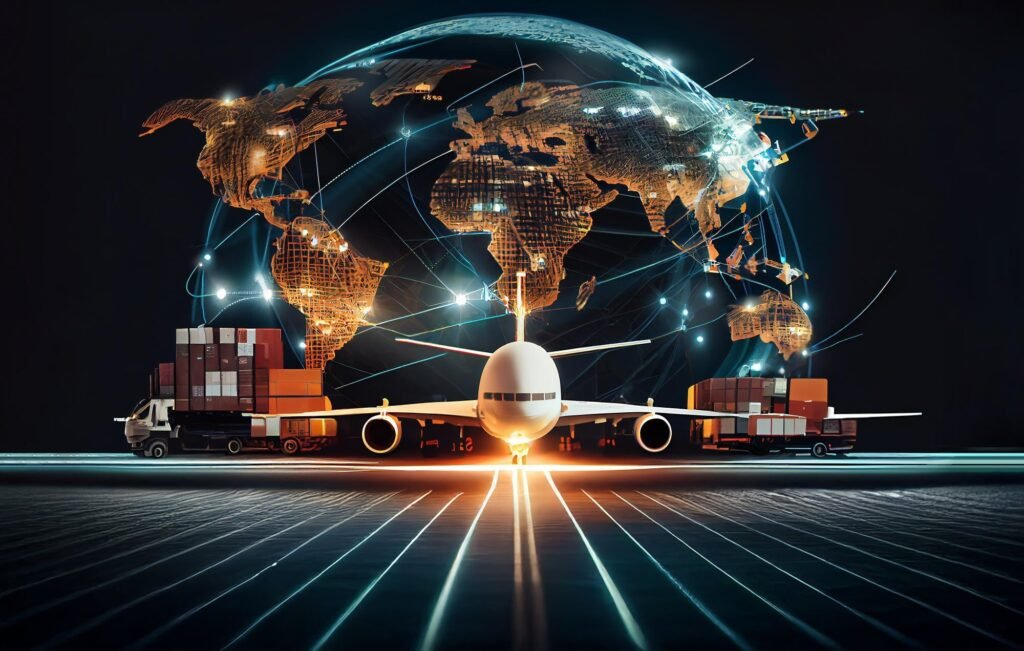
A few years ago, sending goods to another country involved a lot of waiting. Once a shipment left the warehouse, customers often had no idea where it was until someone from the shipping company provided an update. Delays were common, paperwork took time, and getting information wasn’t always easy. Things are different today. Technology has quietly changed the way logistics works. Customers can track their shipments online , and businesses get those updates much faster, and a bunch of tasks that used to take hours are now wrapped up in minutes.
But that doesn’t mean logistics is suddenly effortless. Moving goods across countries still needs real planning, accumulated know-how , and constant coordination. What’s really shifted is how logistics companies operate behind the scenes.
At Safebox Logistics, we’ve watched these changes happen over the years. New tools have made everyday work easier, but good service still depends on people who understand the job.
Logistics Has Changed More Than Most People Realize
- If someone worked in logistics fifteen years ago and walked into a modern warehouse today, they’d probably notice the difference immediately.
- There are fewer paper files sitting on desks. Many records are stored digitally. Drivers receive instructions through mobile devices, and customers can often check the progress of their shipment without making a phone call.
- These improvements didn’t happen overnight. They came little by little, with companies finding better ways to organise information and reduce unnecessary work.
- For customers, the biggest difference is simple: they no longer have to guess what’s happening with their shipment.
Small Tasks Are Now Done Faster
- People often think automation means machines replacing workers.
- That’s not really how it works in logistics.
- In many cases, automation simply takes care of repetitive jobs that employees used to do manually every day.
- For example, software can prepare shipping labels, organise booking details, send status updates, or check information entered into the system.
- The work still needs people. Someone has to review everything, solve unexpected problems, and make decisions when situations change.
- Technology simply removes some of the repetitive work.
Tracking Has Become Part of Everyday Shipping
Not long ago, customers were happy just to know their shipment had been dispatched. Today, expectations are very different.
People want to know:
- Has it left the warehouse?
- Has it reached the port?
- Is it waiting for customs?
- When is it likely to arrive?
Being able to answer these questions gives customers confidence. For businesses, tracking is equally important. If a customer asks about an order, they can usually provide an update within minutes instead of spending hours searching for information.
Customs Is Becoming Less Paper-Based
- Anyone who has dealt with international shipping knows that customs is one of the most important parts of the journey.
- Years ago, almost everything depended on printed documents.
- Today, many customs authorities allow documents to be submitted electronically. This saves time for everyone involved.
- It also reduces simple mistakes, such as missing pages or incorrect paperwork.
- Every country still has its own regulations, so customs haven’t become easy overnight. But digital systems have made the process much more organised than it used to be.
Better Information Helps Companies Make Better Decisions
- One advantage of modern logistics is having information earlier.
- For example, if a shipping route becomes busy or poor weather affects transport schedules, logistics teams often know before the shipment reaches that point.
- That gives them time to make adjustments.
- Sometimes they choose another route. Sometimes delivery schedules are updated.
- The important thing is that problems can often be managed before they become much bigger.
Warehouses Work Differently Today
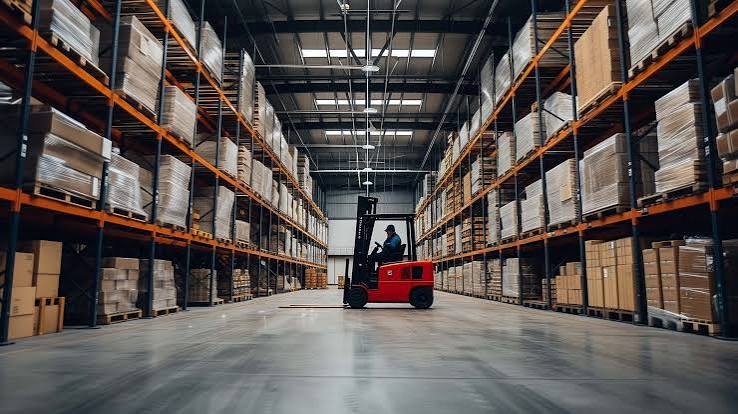
- Walk into a busy warehouse today, and you’ll notice that many workers carry handheld devices instead of paper checklists.
- Those devices tell them where products are stored and where they need to go next.
- It may seem like a small change, but it saves a surprising amount of time during the day.
- It also reduces mistakes, especially when thousands of items are moving through the warehouse every week.
Customers Expect More Than Fast Delivery
- Getting a shipment delivered quickly is important.
- But speed isn’t everything.
- People also want clear answers if something changes. They want updates they can trust. They want to know that someone is available if they have questions.
- Technology helps with these things, but it doesn’t replace good customer service.
- A tracking page can show where a shipment is.
- It can’t explain why a delay happened or help someone choose the best shipping option.
- That’s still a conversation between people.
Experience Still Matters
- Even with modern systems, logistics isn’t completely predictable.
- Flights get delayed.
- Ships arrive late.
- Weather changes.
- Customs officers sometimes request additional inspections.
- When that happens, experience becomes far more valuable than software.
- Technology provides information.
- People decide what to do with it.
- That’s why experienced logistics teams remain an important part of international shipping.
Looking Ahead
- The logistics industry will continue to change over the next few years. New systems will appear, tracking will become even more detailed, and customs procedures in many countries are likely to become faster.
- But one thing probably won’t change.
- People still want their belongings and products to arrive safely. They still expect honest communication when something doesn’t go according to plan.
- No technology can replace trust.
How Safebox Logistics Supports Customers
At Safebox Logistics, we use modern tools, each shipment gets planned with care. Our team helps customers handle their paperwork, pick shipping options that fit, keep an eye on the cargo as it moves, and sort out customs needs when they pop up.
Final Thoughts
The future of logistics isn’t only about smarter software, or faster computers. It’s more about making the whole shipping process easier to follow, and less stressful for customers, even when things feel a bit complicated. Technology has already improved many aspects of international shipping, from visibility and documentation to warehouse operations. Still, know-how, clear communication, and careful scheduling stay just as important as they were before.
At Safebox Logistics, we think the strongest results come from mixing both sides—modern tools that boost efficiency, and experienced people who understand how to keep shipments moving smoothly, every time.