


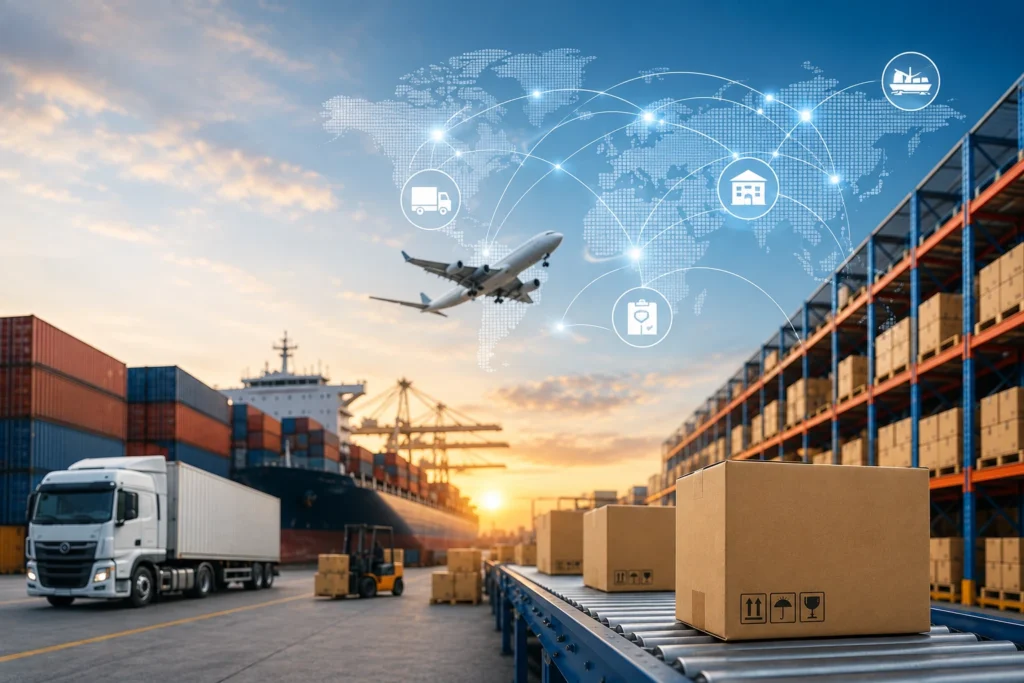
Running an online store is one thing. Getting orders to customers reliably, on time, and without eating into your margins is a different challenge entirely. As e-commerce continues to grow across the region, the pressure on logistics operations has grown with it. Customers expect fast delivery, accurate tracking, and hassle-free returns. Meeting those expectations consistently is harder than it looks from the outside.
This guide, brought to you by Safe Box Logistics, covers the logistics challenges that trip up e-commerce businesses most often and what actually works when it comes to solving them.
Inventory Management Gets Messy Fast
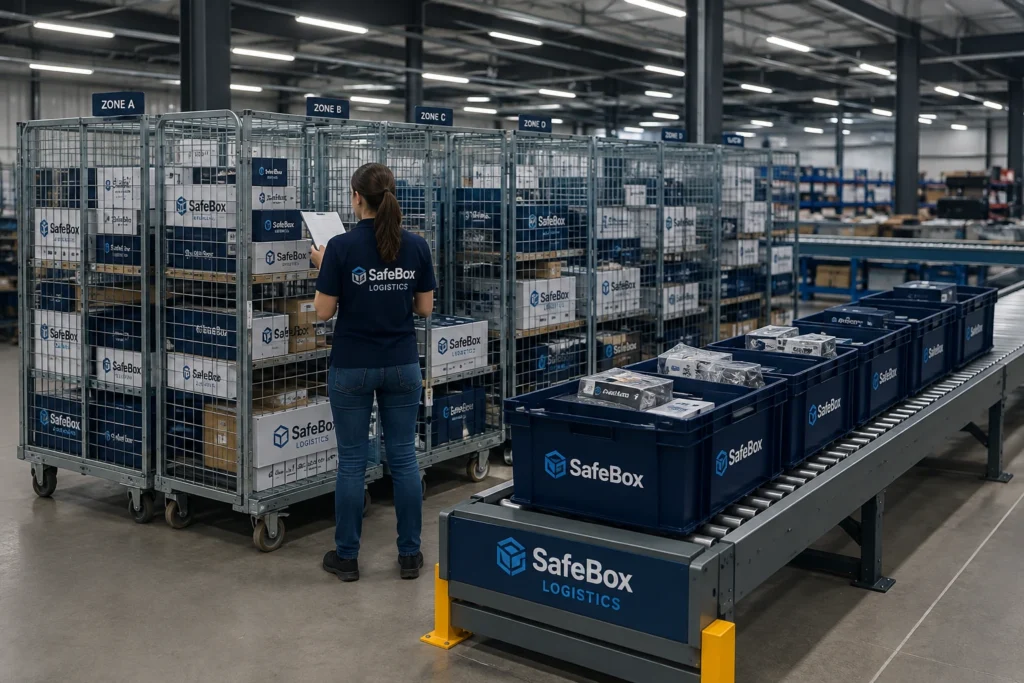
One of the earliest problems growing e-commerce businesses run into is inventory visibility. When you are selling across multiple channels simultaneously, whether that is your own website, a marketplace, or both, keeping stock levels accurate in real time becomes genuinely difficult.
Overselling happens. Products listed as available turn out to be out of stock. Orders get cancelled. Customers leave frustrated. The root cause is usually a lack of integration between the sales platform and the warehouse system. When these two things are not talking to each other properly, stock numbers drift out of sync throughout the day.
The fix is tighter integration, not more manual checking. Connecting your sales channels directly to your inventory system so that stock updates happen automatically removes the gap where errors creep in. Beyond that, setting minimum stock alerts for fast-moving products gives you enough lead time to reorder before you run out rather than after.
Forecasting also plays a bigger role than most businesses give it credit for. Looking at sales patterns from previous months and accounting for seasonal spikes means you are stocking ahead of demand rather than scrambling to catch up with it.
Last-Mile Delivery Is Where Most Problems Happen
Ask any e-commerce business where their customer complaints come from and the answer is almost always the same: the last mile. This is the final leg of delivery from a local hub or warehouse to the customer’s door, and it is consistently the most expensive and most difficult part of the entire logistics chain.
Missed deliveries, vague tracking updates, long wait windows, and packages left in the wrong place are all common complaints. Each one represents a customer who is unlikely to order again.
Part of the problem is that last-mile delivery involves a high volume of individual stops across a wide area, often with traffic, access restrictions, and customer availability all working against you. It is operationally complex and the standard for what customers consider acceptable keeps rising.
Businesses that handle this well tend to do a few things consistently. They give customers real-time tracking so there are no surprises about when something is arriving. They offer flexible delivery windows so customers can choose a time that actually works for them. They use route optimisation tools to cut wasted time and fuel. And when a delivery attempt fails, they have a clear process for rescheduling quickly rather than leaving the customer to chase it themselves.
Working with a logistics partner who has strong last-mile capability in your target area makes a significant difference here, particularly if you are not at a scale where building that infrastructure yourself makes financial sense.
Returns Are Costing More Than Businesses Realise
Returns are a normal part of e-commerce. Customers change their minds, products arrive damaged, sizes do not fit. What catches a lot of businesses off guard is how expensive and time-consuming the reverse logistics process actually is.
Processing a return involves collecting the item, inspecting it, deciding whether it can be restocked, and either returning it to inventory or writing it off. Each of those steps has a cost attached. When return volumes are high, those costs add up quickly and start to eat into margins in a way that is hard to see clearly until it is already a problem.
The most practical approach is to treat returns as a process worth designing properly rather than something you deal with as it comes. A clear, simple returns policy that customers understand upfront reduces disputes and sets the right expectations. A returns portal where customers can initiate and track their return without calling your customer service team reduces the workload on your end.
Regularly looking at why products are being returned also helps, because patterns in return reasons often point to product listing issues, packaging problems, or supplier quality concerns that are fixable.
Shipping Costs Keep Climbing
Freight rates fluctuate. Fuel surcharges get added. Handling fees increase. For e-commerce businesses that are already operating on thin margins, rising shipping costs can quickly turn a profitable order into a loss-making one.
Many businesses respond by absorbing the cost or passing it to the customer, but neither of these is a long-term strategy. Absorbing costs quietly reduces margins. Passing them on visibly loses customers who find a cheaper alternative.
Consolidating shipments where possible reduces per-unit shipping costs. Negotiating volume-based rates with carriers rather than paying standard rates on each individual shipment makes a noticeable difference at scale. Reviewing your packaging regularly also matters.
Dimensional weight pricing means that a box that is larger than necessary can cost significantly more to ship than one sized correctly for the product inside.
If cross-border shipping is part of your model, duties, taxes, and customs clearance fees all need to be factored in from the beginning rather than discovered at the point of delivery.
Managing Multiple Warehouses and Fulfilment Points
As e-commerce businesses scale, many move to a multi-warehouse model to get stock closer to customers and reduce delivery times. In theory this works well. In practice, coordinating inventory across several locations while keeping costs under control and service levels consistent is genuinely challenging.
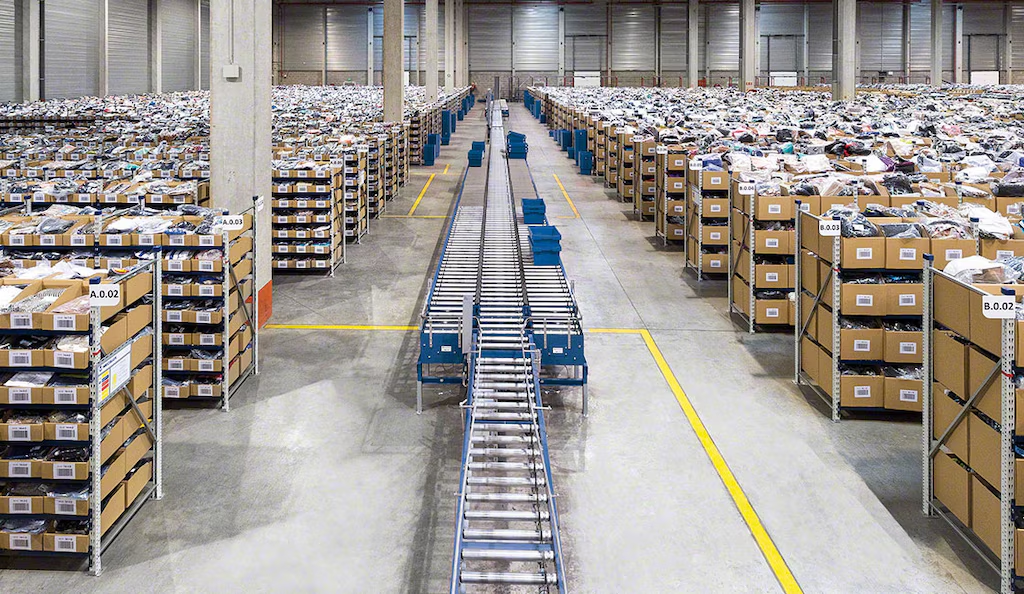
Visibility is the core requirement. You need to know at any given moment what stock is where, what is in transit between locations, and which fulfilment centre should be handling which order based on proximity and current capacity. Without a centralised system giving you that picture, decisions get made on incomplete information and inefficiencies multiply.
A warehouse management system that covers all your locations and connects to your order management platform is not optional at this stage. It is what makes the whole model work.
Conclusion
E-commerce logistics comes with real challenges, but none of them are impossible to solve. Issues like delivery delays, inventory mismanagement, and warehousing problems can hurt customer satisfaction and eat into profits if left unaddressed. The good news is that with smarter inventory planning, well-organized delivery schedules, dependable warehousing, and the right logistics partner, these challenges become much easier to manage.
This is where Safe Box Logistics comes in. We offer a full range of logistics services, including Air Freight, Sea Freight, Freight Forwarding, International Road Transport, Customs Clearance, International Relocation, Warehousing and Distribution, and Packing Services. Whether you’re shipping locally or across borders, our solutions are designed to help e-commerce businesses move goods efficiently, avoid common operational setbacks, and grow with confidence.