


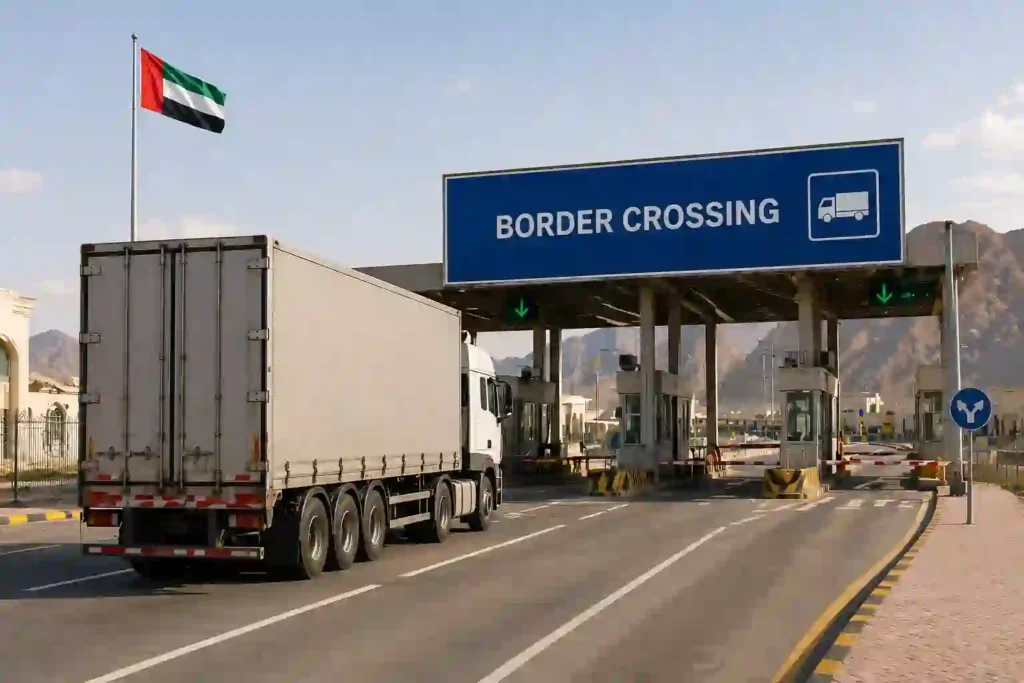
Cross-border trucking plays a very important role in trade within the GCC (Gulf Cooperation Council). Countries like the UAE, Saudi Arabia, Oman, Kuwait, Bahrain, and Qatar are closely connected by road networks, making trucking one of the most efficient ways to move goods across borders.
For many businesses, cross-border trucking is a reliable and cost-effective solution. But at the same time, it involves planning, documentation, and coordination. In this guide by Safebox Logistics, we explain everything you need to know.
What Is Cross-Border Trucking?
Cross-border trucking means transporting goods by road from one country to another. In the GCC region, trucks move goods daily between countries using well-developed highways and border checkpoints.
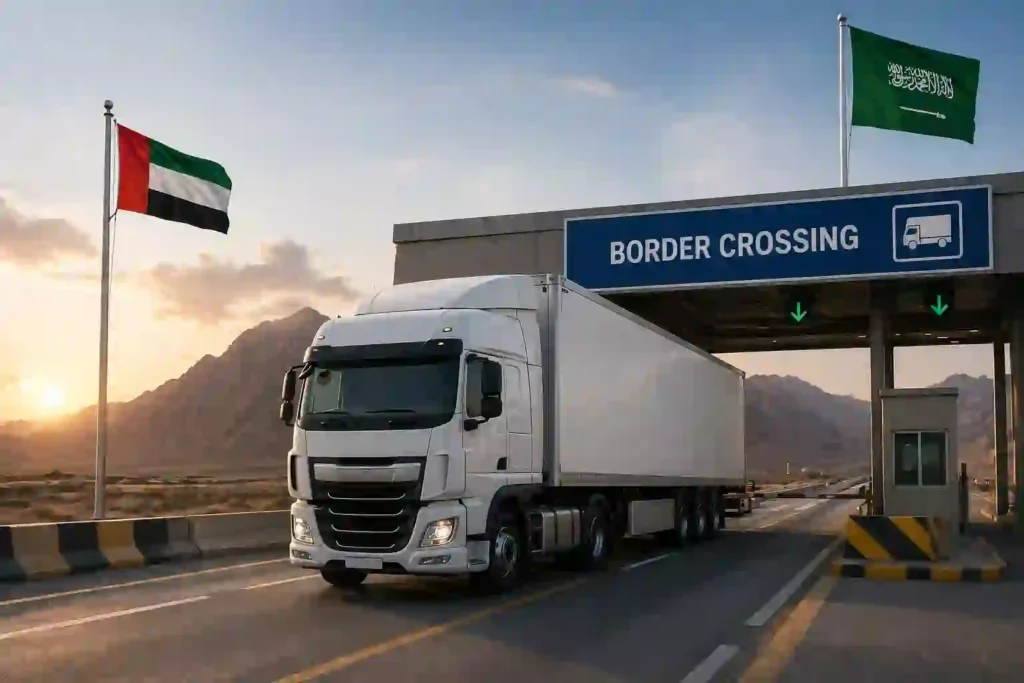
The method is used for various purposes which include
- Retail and wholesale goods
- Construction materials
- Food and beverages
- Industrial products
The geographical proximity of GCC countries enables faster road transport, which enhances practical transportation options between countries.
Why Businesses Prefer Trucking in the GCC
The flexibility and convenience of trucking make it the preferred transportation option for many businesses, according to their requirements.
The most significant benefit of the service provides door-to-door delivery. The service enables direct delivery of items from a warehouse location in one country to a specific address in another country without requiring multiple stops.
Trucking is also faster than sea freight for regional deliveries. While ships may take longer due to port handling, trucks can move directly across borders.
Another reason is cost. Compared to air freight, trucking is more affordable, especially for medium-sized shipments. This makes it a popular choice for businesses that want a balance between speed and cost.
How Cross-Border Trucking Works
The process of cross-border trucking may look simple, but it involves several steps.
- First, the shipment is booked with a logistics company like Safebox Logistics. The business provides details about the goods, destination, and delivery timeline.
- Next, the goods are packed and loaded onto the truck. Proper packing services are important to prevent damage during transit.
- After that, the truck travels to the border. At the border, customs clearance takes place. Documents are checked, and goods are inspected if needed.
- Once cleared, the truck continues its journey to the destination country. Finally, the goods are delivered to the customer or warehouse.
- Each step must be handled carefully to avoid delays.
Important Documents Required
Documentation is a key part of cross-border trucking. Missing or incorrect documents can cause delays at the border.
Some commonly required documents include:
- Commercial invoice
- Packing list
- Delivery note
- Customs declaration
- Certificate of origin (if required)
Each country may have slightly different requirements, so it is important to prepare documents correctly.
Common Challenges in Cross-Border Trucking
While trucking is efficient, there can be some challenges if not managed properly.
One common issue is border delays. If documents are incorrect or there is heavy traffic at checkpoints, trucks may have to wait longer.
Another challenge is changing regulations. Each GCC country has its own rules for imports and exports. Businesses must stay up to date to avoid problems.
The delivery time gets affected by both weather conditions and road conditions. For example, long-distance routes might experience unexpected delays.
The challenges become manageable through an experienced logistics partner who enables proper planning.
Types of Trucks Used
The required truck type depends on the specific goods that need transportation.
Some common options include:
- Closed trucks for general cargo
- Refrigerated trucks for food and perishable items
- Flatbed trucks for heavy or oversized goods
- Correct truck selection guarantees both secure transportation and successful delivery.
Benefits of Cross-Border Trucking
- Cross-border trucking provides multiple advantages to businesses operating within the GCC.
- The system enables companies to select delivery timings and transportation pathways that suit their operational requirements. Businesses can plan shipments based on their needs.
- The method delivers products more quickly than ocean shipping within the area. Goods can reach nearby countries in a short time.
- Another benefit is cost efficiency. Trucking enables businesses to choose between two different speeds that operate at distinct price points.
- The system enables complete delivery to customer locations, which makes the entire delivery process easier to manage.
Tips for Smooth Cross-Border Trucking
- Businesses should adhere to basic guidelines that help them prevent delivery interruptions while maintaining appropriate delivery routes.
- The team needs to validate all essential documents through thorough examination. This reduces the chances of delays at the border.
- Shipments require the implementation of advanced planning methods, which help prevent any emergencies. Proper planning helps manage time better.
- Proper packing protects goods during transportation to their destination. This is especially important for fragile or sensitive items.
- The main requirement involves using a logistics company that possesses experience in handling Gulf Cooperation Council regulations.
How Safebox Logistics Supports Your Business
Safebox Logistics offers dependable cross-border trucking services that operate throughout the GCC.
We assist businesses through our services, which include:
- Route planning
- Scheduling
- Required documentation
- Support for customs clearance
- Transportation
- Delivery to safe locations
Our team ensures that your goods move smoothly across borders without unnecessary delays.
Conclusion
Cross-border trucking provides an efficient method for goods transportation between different locations in the GCC. This transportation method enables businesses to operate their regional shipments at lower costs while delivering goods more quickly.
The process requires both documentation and coordination work, but becomes easy when sufficient planning and support exist.
Safebox Logistics provides businesses with a reliable solution for cross-border trucking operations, which enables them to transport their goods safely and efficiently to their intended destinations.