



Dubai is one of the most sophisticated logistics and trade centres globally. Not only does it have a strategic position that connects Asia, Europe, and Africa, but the warehouses in the emirate also process great quantities of goods daily. For logistics companies like Safebox, efficient inventory management is the central pillar of smooth operations, cost control, and customer satisfaction.
Today’s Dubai warehouses are modern and equipped with the latest technology, so they don’t need to depend on traditional methods such as manual stock registers or guesswork. They have implemented technology-driven systems, real-time data, and streamlined processes in their inventory management to ensure both accuracy and speed.
This blog will explain the workings of inventory management in contemporary Dubai warehouses as well as its significant role in business success.
Understanding Inventory Management in Warehousing
The term inventory management denotes the process of ordering, storing, keeping, controlling and tracking goods in a warehouse. This is a more challenging process in Dubai since it has to deal with fast-moving supply chains, international compliance, and high customer expectations.
The contemporary inventory management emphasises:
- Maintaining stock levels that are of utmost precision
- Curbing storage and handling costs
- Avoiding the situations of excessive stocking or stockouts
- Providing quick order delivery
The emergence of e-commerce, retail distribution, and international trade has all influenced the architecture of Dubai warehouses to handle inventory in a timely and accurate manner.
Strategic Warehouse Layout and Storage Systems
One of the first steps in effective inventory management is an intelligent warehouse design. Space in Dubai’s modern warehouses is planned in such a way that it maximises and also allows easy movement of goods.
The categorisation of inventory is done with respect to:
- Type and size of the product
- How often the product moves (fast-moving vs. slow-moving)
- Special storage needs (temperature-controlled or dangerous goods)
Smart Inventory Control with Technology
The use of technology is an important factor in the inventory management of modern warehouses in Dubai. The majority of facilities rely on modern Warehouse Management Systems (WMS), which provide access to their inventory anywhere in real time.
The technologies that are mainly used in this process are:
• Barcode scanning for accurate item identification
• RFID tags for automated tracking of goods
• Cloud-based inventory dashboards for live monitoring
Every single product that enters the warehouse is scanned and entered into the system. Because of this, warehouse managers can monitor the movement of the inventory from receiving to storage and dispatch without any errors.
The Process of Receiving and Put-Away is Automated
When the goods enter the warehouse, inventory management starts. n modern Dubai facilities, receiving is a streamlined and automated process.
The following occurs when a shipment comes:
• The goods are scanned and checked against the purchase orders
• The quantities and the conditions are noted down electronically
• The items are assigned storage locations by the WMS
Automated put-away is a process that reduces handling time and ensures that goods are stored in the most effective places. This approach improves precision and greatly lessens interruptions, particularly during the operation of large quantities.
Continuous Inventory Control and Accuracy
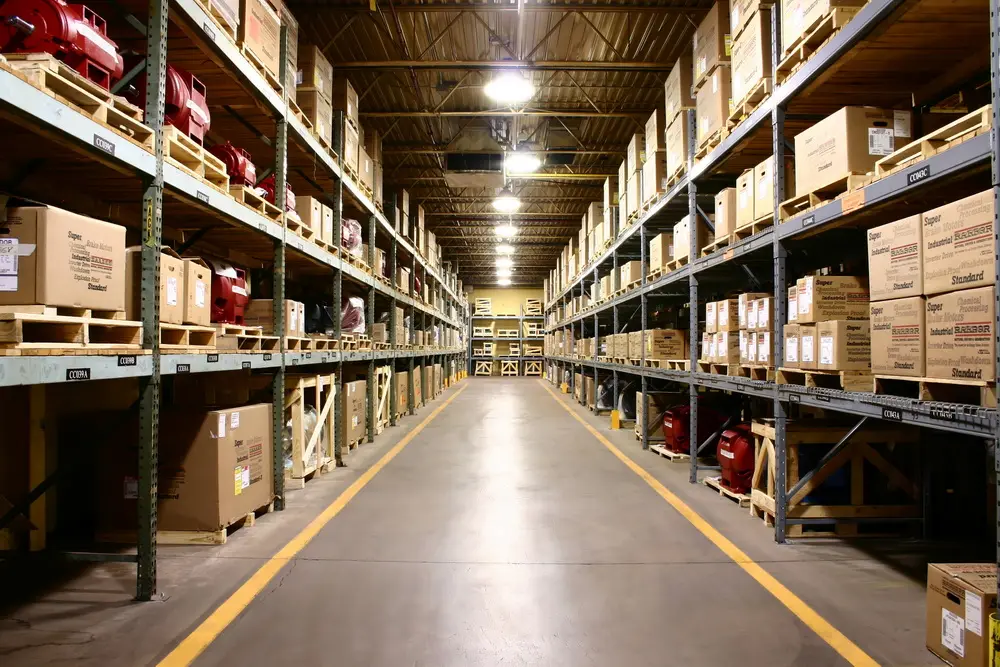
One of the main benefits of the contemporary warehouse systems is the continuous visibility of inventory. Access to stock information is a must for companies in Dubai that want to make quick decisions, and therefore, real-time inventory control is a solution that allows:
– stock levels’ immediate updates
– fast detection of low or surplus inventory
– demand forecasting and planning that is more accurate
This level of precision aids businesses in getting rid of the theft or wastage of goods due to expiration, damage or misplacement. Besides, it guarantees prompt delivery of the right products to customers, which, in turn, builds trust and reliability on the company’s side.
Order Picking, Packing, and Dispatch Efficiency
Once an order is received, inventory management systems guide the staff to optimise routes. Thus, the order processing is faster due to less time spent on movement within the warehouse.
New warehouses rely on:
– Picking systems based on pick-to-light or scanning
– Packing stations that are automated
– Dispatch scheduling that is integrated
Manual intervention is minimal during packaging, labelling, and shipment preparation. For delivery firms such as Safebox, this productivity of logistics leads to quicker turnaround times and better service levels.
Compliance with Dubai and UAE Regulations
Warehousing Distribution Services in Dubai needs to be compliant with the rules regarding trade and customs, which are very strict. In addition, the Jebel Ali Free Zone is a free zone where the warehouses must record the inventory transparently.
The accurate tracking of the inventory-backed:
– the processes of customs clearance
– the readiness for audits and inspections
– the meeting of Dubai Customs’ requirements
The records of digital inventories help make reports, manage bonded goods, and comply with regulatory standards without operational disruptions.
Data Analytics and Forecasting
With every passing day, advanced analytics is becoming more important in the management of warehouse inventory. Historical data and real-time insights are used to predict demand trends and optimize stock levels.
Data-driven inventory management enables:
- Holding and storage costs are to be minimised
- Planning for seasonal demand to be improved
- Business increases without the risk of overstocking
In Dubai’s competitive logistics market, data-driven decisions are a powerful factor.
Importance of Inventory Management for Businesses in Dubai
Inventory management is a factor that has a direct impact on profit and customer satisfaction. Poor inventory management may lead to:
delays, lost sales, and increased operational costs.
businesses using a professional warehouse like Safebox will have the following advantages:
Accurate stock tracking
Faster order fulfilment
Reduced risk of inventory loss
Scalable solutions for business growth
Conclusion
Modern Dubai warehouses’ inventory management is a combination of smart design, advanced technology, regulatory compliance, and data-driven decision-making. As Dubai grows and becomes a global logistics hub, efficient inventory systems are now an important, not an option.
For companies that want to improve the efficiency of their storage and distribution, the choice of logistics partners like Safebox ensures that the inventory management solutions are accurate, reliable, and ready for the future.