


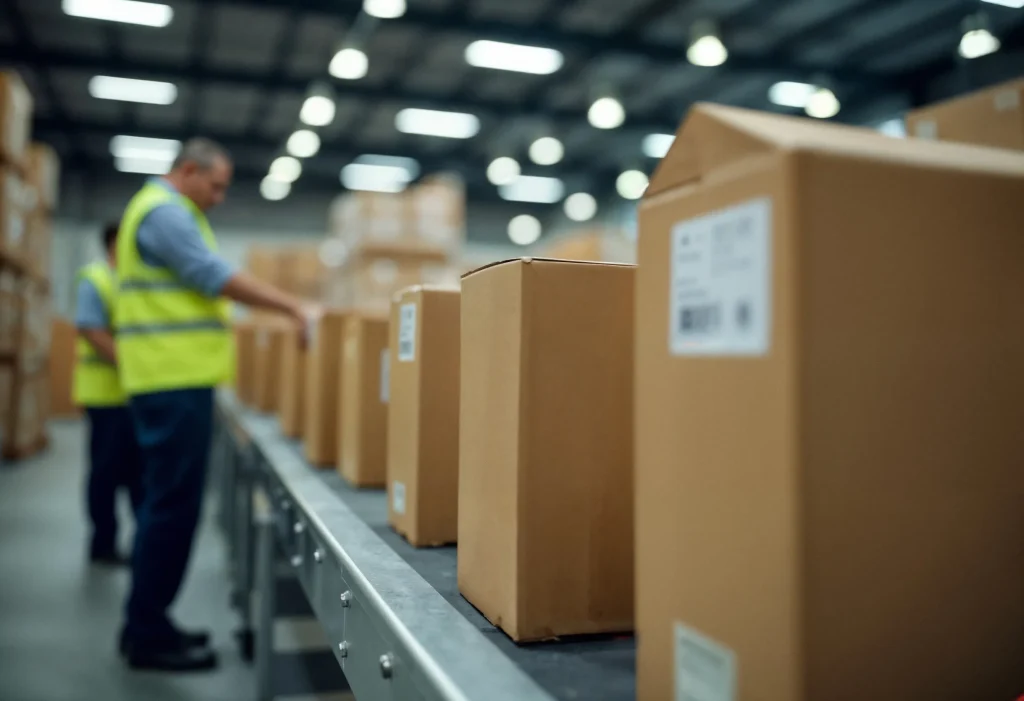
Dubai has quickly developed into one of the important logistics and trading centres in the world. Its strategic location that connects Asia, Europe, and Africa is a factor that more and more companies of various sizes are considering when they want to set up their storage and distribution operations in the city. However, when it comes to choosing the right warehouse in Dubai, it is not just about finding a big space—it is about picking the one that will help to grow, be efficient, and have a successful background.
At Safebox, we understand that the right warehousing option can greatly affect operational costs, delivery times, and customer satisfaction. To assist you, we have compiled a comprehensive guide that will help you select an ideal warehouse in Dubai tailored to your business requirements.
1. Get to Know Your Business Requirements First
When it comes to warehouse options, the first thing to do is define your business needs clearly. Industries differ in terms of their storage conditions, layouts, and operational capabilities.
Think about the following factors:
- The nature of the goods you store (general cargo, fast-moving consumer goods, electronics, hazardous items, or temperature-sensitive products)
- Storage capacity required and future growth area
- Inbound and outbound shipments rate
- Short-term versus long-term storage needs
The clearer you are at this point, the easier it will be to avoid paying for features you do not need.
2. Pick the Right Area in Dubai
Location is among the top factors in determining where to build a warehouse in Dubai. The nearest warehouses and storage facilities to ports, airports, highways, and customers have a direct effect on the total transportation charges and the speed of deliveries.
Important factors that need to be looked into are:
- Distance to Jebel Ali Port or Dubai International Airport
- Easy access to the major highways, such as Sheikh Zayed Road and Emirates Road
- Closeness to suppliers, retailers, or end customers
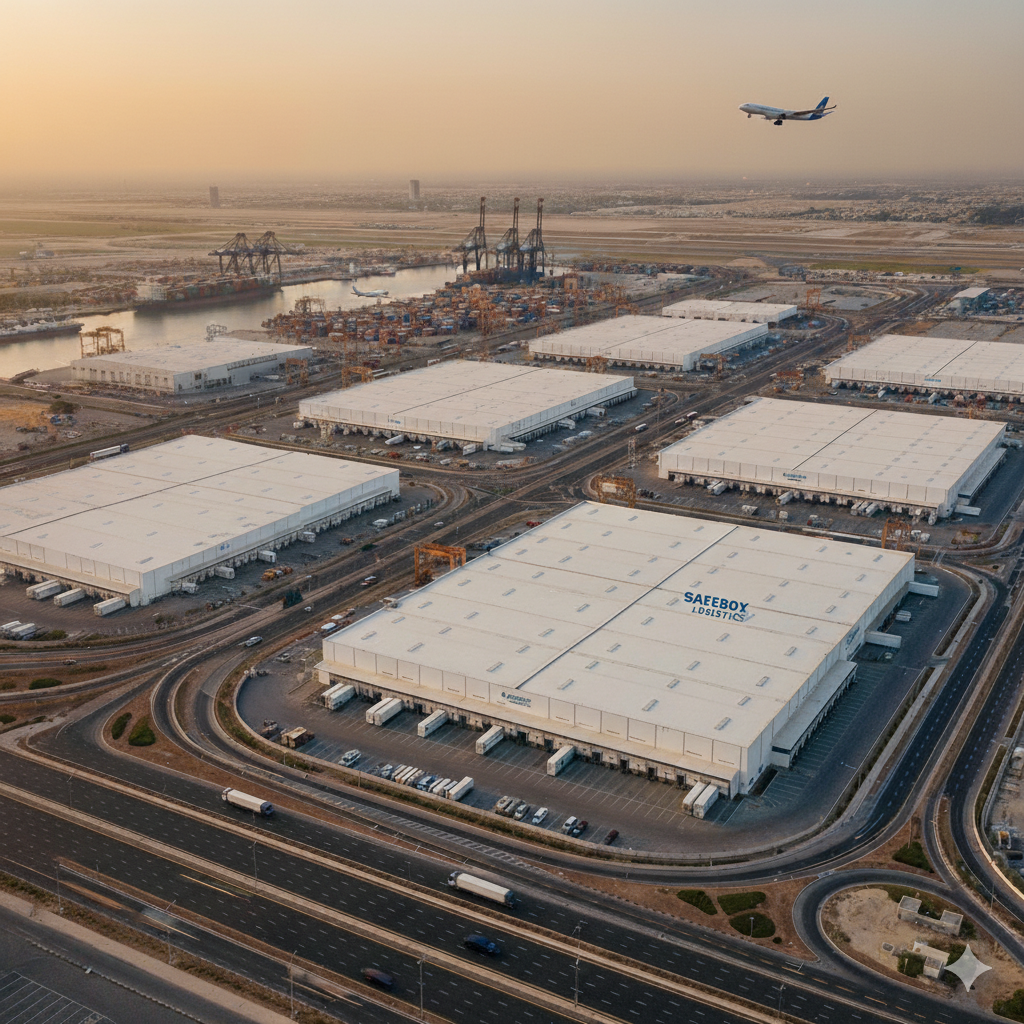
3. Make a Choice Between Free Zone and Mainland Warehousing
The two main options for warehouses in Dubai are free zone and mainland, and each has its own set of benefits. If you are a company that deals only with the import, export, and re-export processes, then Free zone warehouses are the best option. Furthermore, these warehouses feature tax exemptions, total foreign ownership, and easy customs clearance as advantages.
4. Evaluate Warehouse Infrastructure and Specifications
To ensure efficiency and safety, the warehouse’s infrastructure requirements must match those of its operations. In addition to being a straightforward location for keeping items, a warehouse’s design can have an impact on handling times, inventory flow, and even associated risks.
After all, the decision regarding the location or type of warehouse may be based on its infrastructure that suits the operation requirements the most.
5. Technology and Inventory Management Systems to Consider
Technology is the biggest driver in a logistics environment based on speed and efficiency. Dubai’s contemporary warehouses are increasingly adopting modern warehouse management systems (WMS), barcode scanning, and real-time inventory tracking and management. New technology in a warehouse can do the following for you:
- Be precise in the monitoring of stock levels
- Lessen the chances of human errors
- Speed up the order process
- Keep maintaining detailed inventory reports
6. Ensure Compliance with Dubai Regulations
Dubai has strict regulations concerning the quality of warehouses, health and safety standards, and civil defence requirements. Violations of these regulations could result in fines, shutting down the operation, or even legal disputes.
So the warehouse must be:
- Approved by Dubai Civil Defence
- Meets municipality and environmental regulations
- Has the correct permits for storing that kind of goods
Partnering with a logistics company such as SafeBox, which has vast experience, will help you not only to comply but also to do it in a very professional manner.
7. Evaluate Cost Structure Carefully
Cost factor should not be the only one to consider; however, it is a leading factor in warehouse selection. Do not just consider the minimum rental price; instead, analyse the entire cost structure. The main cost components are:
- Rental or storage charges
- Handling and loading fees
- Utilities and maintenance costs
- Value-added services like packing or labelling
Having a clear pricing model allows you to plan your budgets accurately and to avoid unexpected costs.
8. Check Scalability and Flexibility
Business demands change, especially in rapidly growing markets such as Dubai. Warehouses you select should be able to give you the flexibility of scaling up or down according to your needs. A warehousing solution that can scale allows you to:
- Store more during holiday seasons
- Open more branches without moving
- Respond quickly to changes in market demand
- Such flexibility can save a considerable amount of time and money.
Partner with a Reliable Warehousing Expert
Choosing the correct warehouse is much simpler when you have a reliable logistics partner. In addition to safe storage, a professional service provider offers distribution, inventory control, and transportation services all under one roof.
Safebox provides adaptable warehousing and distribution solutions that are completely tailored to various business requirements around Dubai. We are able to support businesses in the process of their supply chains and in confidently expanding their operations.
Final Thoughts
Choosing a warehouse in Dubai is a tactical move that affects your company’s productivity, expenses, and customer satisfaction right away. If you look at location, infrastructure, compliance, technology, and scalability thoroughly, you can ensure your warehouse will be a strong foundation for growth and not a bottleneck.
With professional support and trustworthy storage solutions from Safebox, your company can take advantage of Dubai’s logistics and manage the operations smoothly in one of the world’s most vibrant markets.